Canadian Down Syndrome Society (CDSS)
We provide reliable information and connections to people with Down syndrome and those who support them, while positively shaping the social and policy contexts in which they live.
Canadian Down Syndrome Society (CDSS)
We provide reliable information and connections to people with Down syndrome and those who support them, while positively shaping the social and policy contexts in which they live.
A Workforce is Waiting
Did you know that over 50% of Canadians with Down syndrome struggle to find paid work?
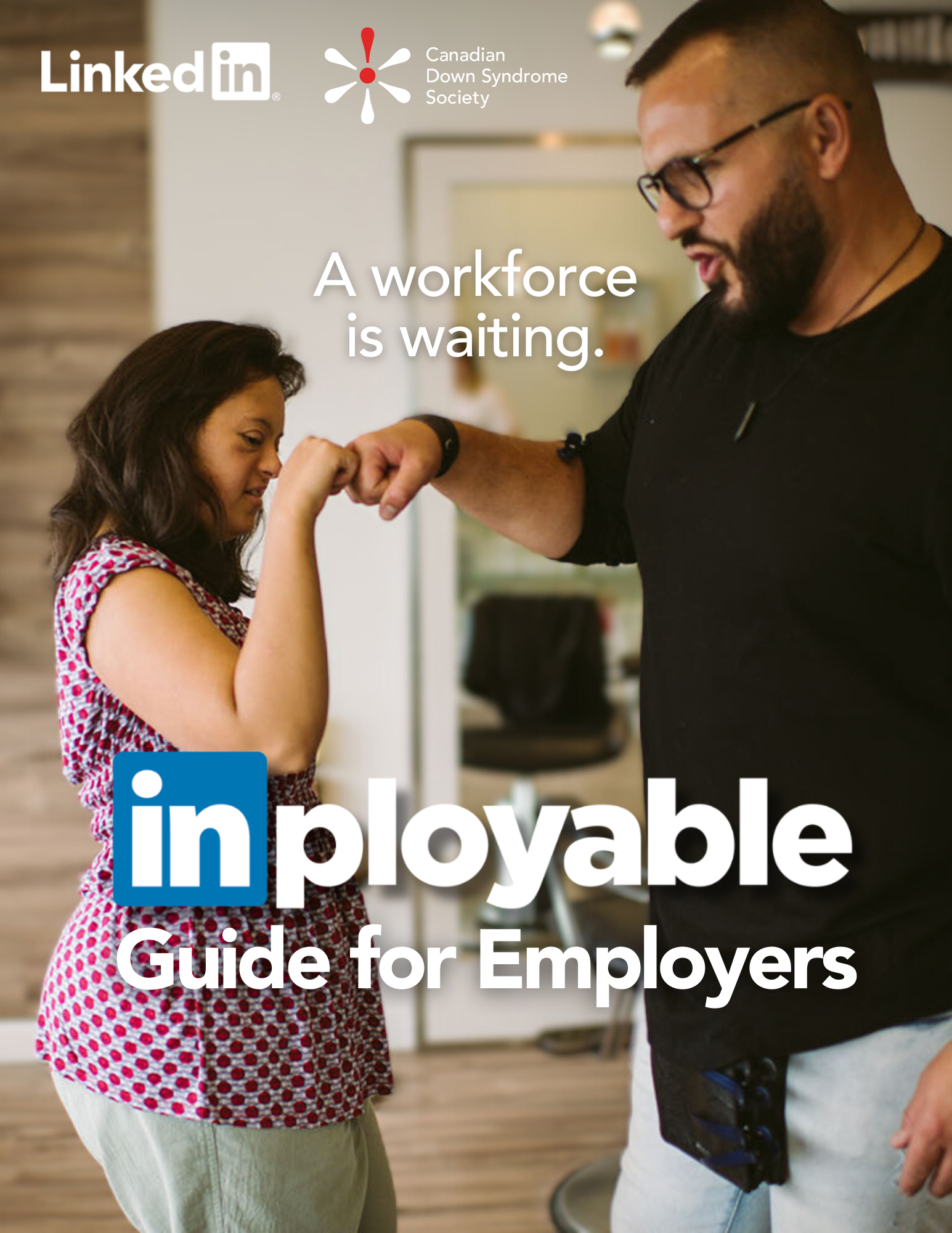
Since October 2022, Inployable has been creating employment opportunities by connecting jobseekers with Down syndrome to actively hiring employers through LinkedIn.
New resources to support employers and jobseekers have just been released, including the Inployable Guide for Employers. It features real-life questions, workplace scenarios, and inclusive recruitment best practices to help businesses on their inclusive employment journey.
A workforce is waiting; learn more about joining Inployable today.
Preregister for The New Mindsets Wellness Program
Joining Mindsets is your first step towards building healthy habits that focus on fitness, nutrition, and self-care. This free program was created based on the results of the Mindsets Study to give adults with Down syndrome the tools needed for a healthy, happy, active, lifestyle through adulthood and aging.
Learning Together in the School Community
The CDSS Education Hub is filled with shareable, printable resources and quick guides that include practical tips and suggestions to help support students as they learn together in the school community.
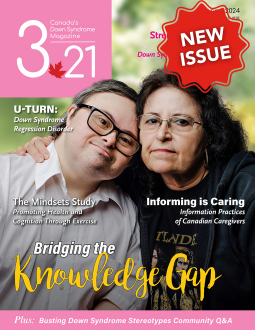
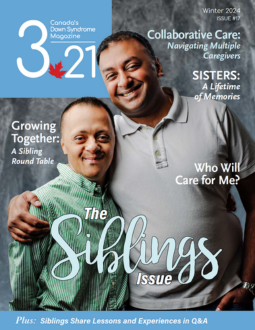
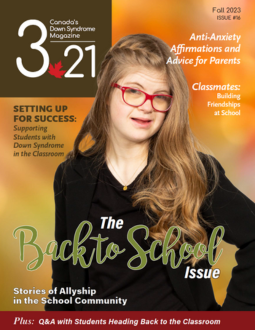
3.21 Canada’s Down Syndrome Magazine
3.21 Magazine is Canada’s resource for advocacy news, community stories, exclusive interviews, free resources, and upcoming events. Subscribe to 3.21 Magazine today and receive new issues for free.
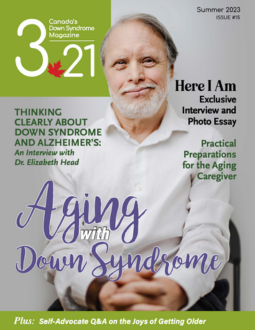
We’re here to help
Resources and Information
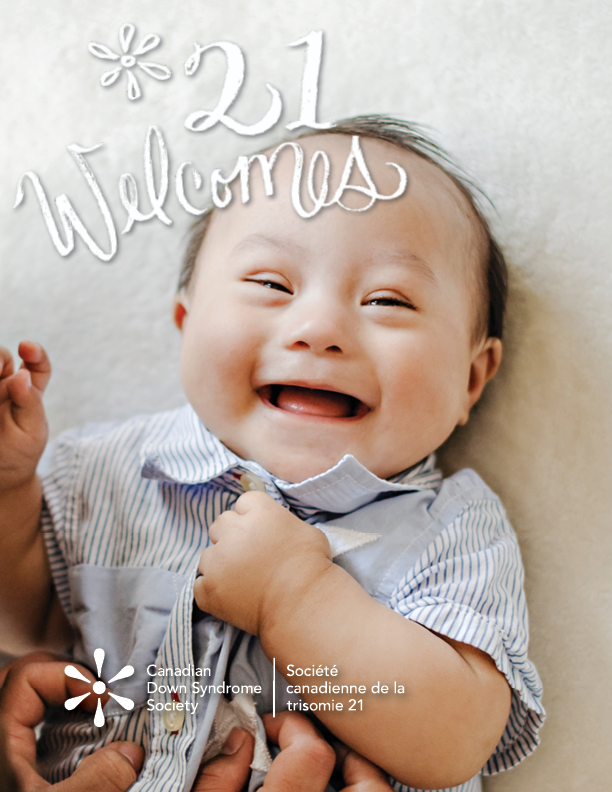
21 Welcomes is Canada’s guide for new parents who are expecting or just had a baby with Down syndrome. This booklet has just been updated to feature:
- New parent stories
- Self-advocate experiences
- Development milestones
- Feeding advice
- Early intervention programs
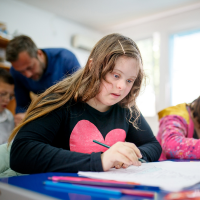
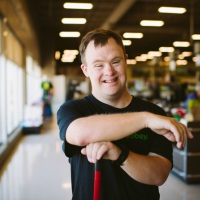
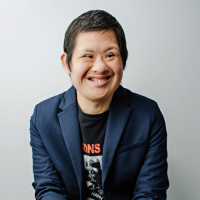
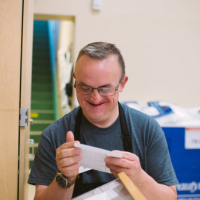
Resources for Every Stage of Life





Learn More About the Canadian Down Syndrome Society
About CDSS
Your Impact in 2023
Have questions? Connect with us! 1-800-883-5608 or email info@cdss.ca
JOIN US ON
Social Media


What World Down Syndrome Day Means to Me
The great importance of having World Down Syndrome Day is to have a very good and respectful world. We need to respect people with Down syndrome. We should really have respect for everyone. World Down Syndrome Day is about knowing that we are really doing something...
Loving Relationships
Happy Valentine's Day! Love means many different things to different people. CDSS Awareness Leader Paul Sawka explores some of the loving relationships in his own life, including his family, his girlfriend Kelsey, and his hope to one day have children.Family...
Sports and Fitness
How can sports and fitness impact your life? We spoke to Paul Sawka, CDSS's Awareness Leader, about the many activities he has enjoyed as a young man and into his 30's. Paul's decades of activities have helped him to make friends, feel healthy, and feel more involved...